LMS
LMS
Last updated on 24th Jun 2026| 8005

- Introduction to Data Science Internships for Freshers
- Understanding the Role of a Data Science Intern
- Building Essential Data Science Skills
- Learning Python, SQL, and Data Analytics Tools
- Creating Real-World Projects and a Strong Portfolio
- Earning Certifications and Gaining Practical Experience
- Preparing a Strong Resume and LinkedIn Profile
- Finding and Applying for Data Science Internship Opportunities
- Preparing for Technical Interviews and Assessments
- Conclusion: Securing Your First Data Science Internship Successfully
Introduction to Data Science Internships for Freshers
Data science internships provide freshers with an excellent opportunity to gain practical experience and develop industry-relevant skills in one of the fastest-growing career fields so join our Data Science Training. Organizations across technology, healthcare, finance, retail, and consulting sectors rely on data science to analyze information, identify trends, and make informed business decisions. Internships help students and recent graduates apply theoretical knowledge to real-world projects involving data collection, cleaning, visualization, statistical analysis, and machine learning. Through hands-on experience, freshers gain exposure to industry tools, professional workflows, and business problem-solving techniques that cannot be fully learned through academic studies alone. Data science internships also help individuals build confidence, strengthen resumes, and improve employability by demonstrating practical expertise. Working alongside experienced professionals provides valuable mentorship and networking opportunities that support long-term career growth. As demand for data-driven decision-making continues to rise, internships serve as important stepping stones for freshers who want to establish successful careers in data science, analytics, artificial intelligence, and related fields.
Understanding the Role of a Data Science Intern
A data science intern supports data-driven projects while learning how organizations use information to solve business challenges and improve decision-making in our Data Science Training. Interns may assist with collecting, cleaning, organizing, and analyzing datasets to uncover trends, patterns, and actionable insights. They often work with data analysts, data scientists, engineers, and business teams to support reporting, predictive modeling, machine learning initiatives, and business intelligence activities.
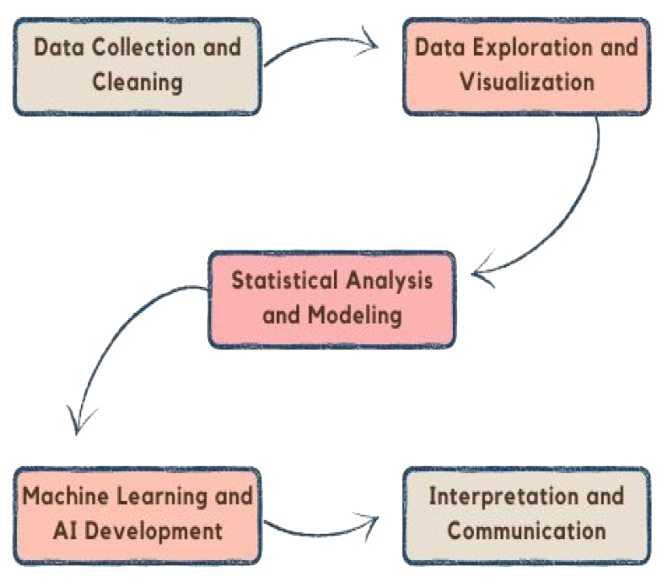
Responsibilities can include preparing datasets, creating visualizations, building dashboards, performing statistical analysis, and documenting findings for stakeholders. The role requires strong analytical thinking, attention to detail, problem-solving abilities, and a willingness to learn new technologies and Data Science Internship Preparation. Data science interns also gain exposure to programming languages, analytics platforms, and cloud technologies commonly used in professional environments. By participating in real projects and collaborating with experienced teams, interns develop technical expertise and practical business understanding. This experience helps freshers understand industry expectations and prepares them for future opportunities in data science and advanced analytics careers.
Ready to Pursue Your Data Analytics Certificate? View The Data Science Course Training Offered By ACTE Right Now!
Building Essential Data Science Skills
Developing a strong foundation of data science skills is essential for freshers who want to secure internship opportunities and succeed in the field. Core skills include statistics, mathematics, data analysis, data visualization, and critical thinking. Understanding concepts such as probability, regression analysis, hypothesis testing, and data interpretation helps individuals analyze information effectively and draw meaningful conclusions. Data science also requires problem-solving abilities and the capacity to translate complex datasets into actionable business insights and learn more inHigh-Paying Data Science Jobs for Students and Freshers . Freshers should practice working with real datasets, performing exploratory data analysis, and creating visual reports that communicate findings clearly. Familiarity with databases, data cleaning techniques, and basic machine learning concepts can further strengthen internship applications. In addition to technical capabilities, communication, teamwork, adaptability, and time-management skills are highly valued by employers. Building both technical and professional competencies enables freshers to contribute effectively during internships and creates a strong foundation for future career growth in data science, machine learning, artificial intelligence, and business analytics.

Develop Your Skills with Data Data Science Course Training
Weekday / Weekend BatchesSee Batch DetailsLearning Python, SQL, and Data Analytics Tools
- Mastering Python for Data Science: Python is one of the most widely used programming languages in data science. Learning libraries such as Pandas, NumPy, Matplotlib, and Scikit-learn helps freshers perform data analysis, visualization, and machine learning tasks effectively.
- Developing SQL Skills: SQL is essential for retrieving, managing, and analyzing data stored in databases. Understanding queries, joins, filtering, aggregation, and database management helps interns work efficiently with large datasets.
- Learning Data Visualization Tools: Tools such as Power BI, Tableau, and Excel help transform raw data into meaningful visual reports and dashboards and ;earn more in Entry-Level Data Science Salaries. These skills are highly valued by employers across industries.
- Understanding Data Analytics Workflows: Freshers should learn how data moves through collection, cleaning, transformation, analysis, and reporting stages. Understanding these workflows improves practical problem-solving abilities.
- Gaining Hands-On Tool Experience: Practical usage of analytics tools through projects and exercises helps strengthen technical proficiency and prepares candidates for real-world internship responsibilities.
- Building Beginner-Friendly Projects: Projects such as sales analysis, customer segmentation, sentiment analysis, and data visualization dashboards help demonstrate practical data science skills to recruiters.
- Working with Real Datasets: Using publicly available datasets allows freshers to gain experience handling real-world data challenges and develop stronger analytical capabilities and Learn more in The Future Scope of Data Science Careers .
- Documenting Project Outcomes: A good portfolio should clearly explain project objectives, methodologies, tools used, challenges faced, and key insights generated from the analysis.
- Publishing Projects on GitHub: Uploading projects to GitHub creates an online portfolio that recruiters can review. It also demonstrates coding skills, project organization, and technical competence.
- Showcasing Problem-Solving Skills: Projects should highlight the ability to analyze data, identify trends, and provide actionable recommendations that solve business or research problems.
- Completing Industry-Relevant Certifications: Certifications in data science, Python, SQL, machine learning, Power BI, and analytics validate technical knowledge and strengthen internship applications.
- Using Online Learning Platforms: Platforms such as Coursera, edX, Udemy, DataCamp, and Google Career Certificates provide structured learning paths and practical exercises for skill development and Cloud Computing and Its Role in Data Science .
- Participating in Data Science Competitions: Competitions and challenges help freshers apply their skills to real-world problems while improving analytical thinking and technical expertise.
- Gaining Experience Through Freelance or Volunteer Work: Working on freelance projects, academic research, or volunteer assignments provides practical exposure and demonstrates initiative to potential employers.
- Building a Continuous Learning Mindset: Data science is a rapidly evolving field. Consistently learning new tools, techniques, and technologies helps candidates remain competitive and improve career opportunities and The Impact of Data Science on Financial Services .
Excited to Obtaining Your Data Analytics Certificate? View The Data Science Course Training Offered By ACTE Right Now!
Creating Real-World Projects and a Strong Portfolio
Are You Considering Pursuing a Data Analytics Master’s Degree? Enroll For Data Science Expert Masters Program Training Course Today!
Earning Certifications and Gaining Practical Experience
Set to Ace Your AWS Job Interview? Check Out Our Blog on Data Science Interview Questions & Answer
Preparing a Strong Resume and LinkedIn Profile
A well-prepared resume and professional LinkedIn profile are essential for securing data science internship opportunities. Freshers should create a resume that clearly highlights technical skills, academic achievements, certifications, projects, and any relevant practical experience. Skills such as Python, SQL, machine learning, data visualization, statistics, Power BI, Tableau, and Excel should be prominently displayed because recruiters often use these as evaluation criteria. Project descriptions should focus on objectives, tools used, methodologies applied, and measurable outcomes whenever possible and The Role of Machine Learning in Data Science . In addition to a strong resume, maintaining a professional LinkedIn profile can significantly improve visibility among recruiters and industry professionals. A complete LinkedIn profile should include a professional summary, technical skills, certifications, project showcases, and educational details. Engaging with data science content, joining professional groups, and building industry connections can further strengthen a candidate’s online presence. Together, a well-crafted resume and LinkedIn profile help freshers present themselves as capable and motivated candidates while increasing their chances of being noticed by employers.
Finding and Applying for Data Science Internship Opportunities
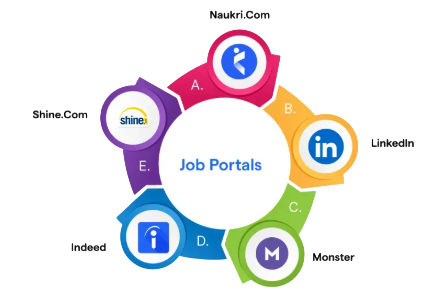
Finding data science internship opportunities requires persistence, strategic planning, and active networking. Students can search for internships through company career pages, professional networking platforms, university placement cells, and internship portals. Platforms such as LinkedIn, Internshala, Indeed, Glassdoor, and Naukri frequently list opportunities for aspiring data science professionals. Networking with professors, alumni, mentors, and industry professionals can also help uncover valuable internship openings that may not be publicly advertised. When applying, candidates should customize their resumes and cover letters to match the specific requirements of each role and Evolution of Data Science in the Age of Artificial Intelligence . Highlighting relevant technical skills, projects, certifications, and achievements improves the likelihood of attracting recruiter attention. Applying consistently to multiple organizations increases interview opportunities and provides exposure to different industries and business environments. Maintaining an organized record of applications and following up professionally when appropriate can further improve results. A focused and proactive approach to internship applications significantly enhances the chances of securing valuable data science experience.
Preparing for Technical Interviews and Assessments
Technical interviews and assessments are common components of the data science internship selection process. Employers often evaluate candidates on their understanding of statistics, data analysis, machine learning concepts, SQL queries, Python programming, and problem-solving abilities. Freshers should review core concepts such as probability, regression, classification, hypothesis testing, data cleaning, and exploratory data analysis before attending interviews. Practicing coding problems and SQL queries regularly can improve technical confidence and performance during assessments in our Data Science Training. Candidates should also be prepared to discuss their projects in detail, including the business problem addressed, methodologies used, tools applied, challenges encountered, and results achieved. Strong communication skills are equally important because data science professionals must explain technical findings to both technical and non-technical audiences. Participating in mock interviews and technical practice sessions can help identify areas for improvement and reduce interview anxiety. Thorough preparation allows candidates to demonstrate both technical expertise and professional readiness, increasing their chances of securing internship offers.
Conclusion: Securing Your First Data Science Internship Successfully
Securing a data science internship as a fresher requires a combination of technical preparation, practical experience, strategic job searching, and continuous learning. Building strong foundations in statistics, programming, data analysis, and visualization helps candidates meet industry expectations and contribute effectively to real-world projects. Developing a portfolio of meaningful projects, earning relevant certifications, and gaining hands-on experience through competitions, volunteer work, or academic initiatives can significantly strengthen internship applications. A professional resume and LinkedIn profile further enhance visibility and help recruiters recognize a candidate’s potential in our Data Science Training. Consistent application efforts, networking activities, and interview preparation are equally important for securing opportunities in a competitive job market. While the process may require persistence and dedication, every project completed, skill learned, and connection made contributes to professional growth. Data science internships provide invaluable exposure to industry practices, advanced technologies, and business problem-solving techniques. By staying committed to learning and continuously improving their skills, freshers can successfully secure their first data science internship and establish a strong foundation for a rewarding and successful career in data science and analytics.