LMS
LMS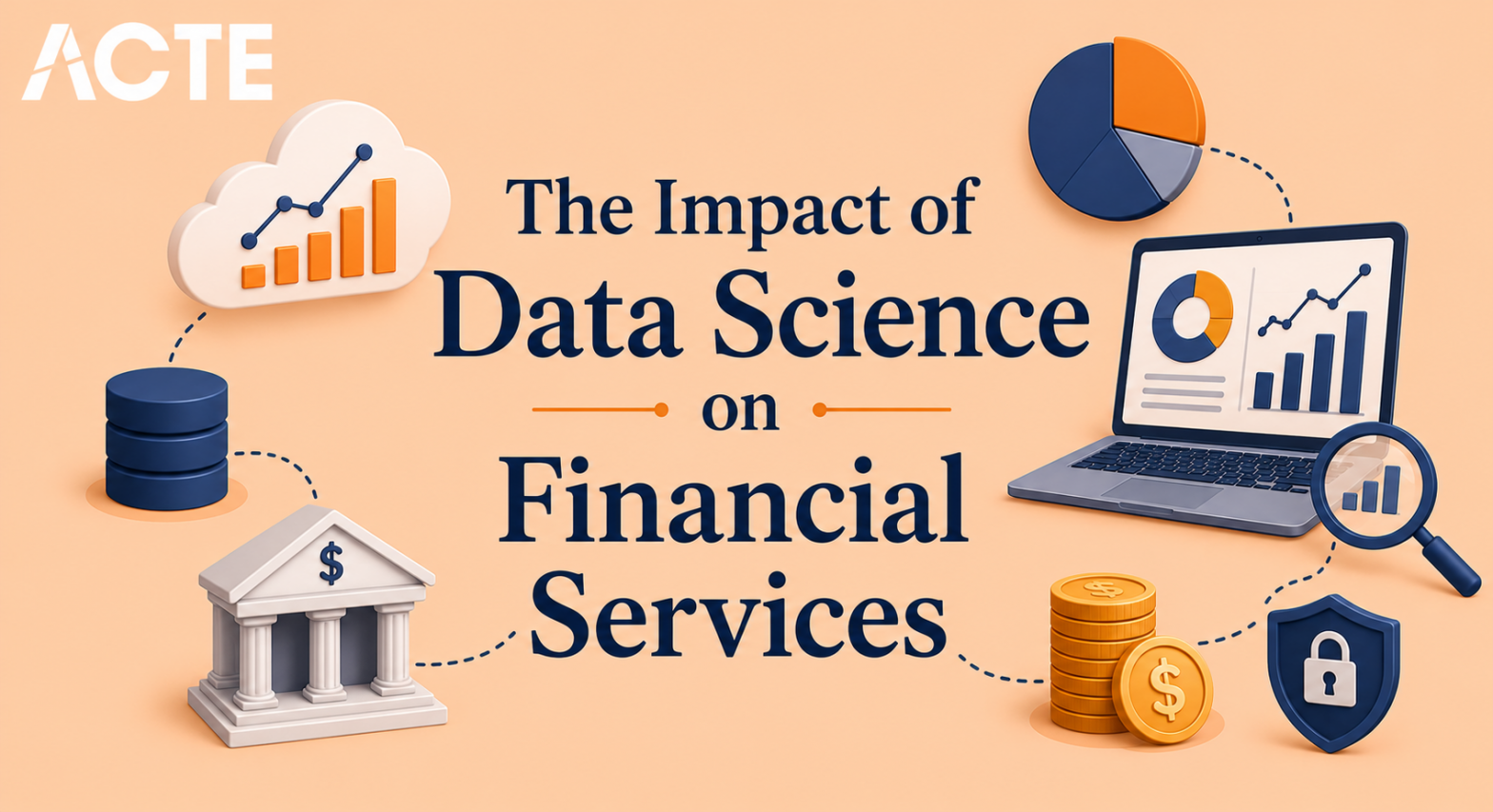
Last updated on 03rd Jun 2026| 8037

- Introduction Data Science In Financial Services
- Fraud Detection and Security Enhancement
- Algorithmic Trading and Market Prediction
- Risk Management and Credit Scoring
- Customer Segmentation and Personalization
- Regulatory Compliance and Monitoring
- Automating Customer Service in Banking
- Portfolio Optimization and Wealth Management
- Conclusion
Introduction Data Science In Financial Services
In Data Science In Financial Services, data is everywhere from your social media activities to how much money you have spent and even how much food you’ve thrown into your compost bin! The great thing about the impact of data science on financial services is that it allows you to take all of that raw data, and turn it, literally, into usable and logical information that will help solve many issues we have today in Data Science Training. If you are just getting started with Data Science at this point, just learning algorithms and tools will not be enough. The only way to truly understand Data Science is to use the tools and algorithms, on real-world problems. This provides you with the confidence you need to be an analytical thinker and the skills required to become an industry-ready professional. Below are some great examples of beginner-friendly and industry-relevant data analysis projects that you can complete, that also have real-world applications. Not only will these projects help you understand how data science can be used in different industries, for example media, finance, health care, agriculture and customer service; they will also give you the strong foundation that you will need in order to move from being a theoretical analyst to a pragmatic analyst solving real-world problems.
Fraud Detection and Security Enhancement
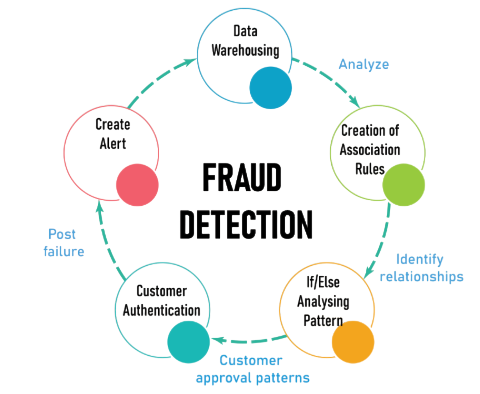
Fraud Detection and Security Enhancement is a data science project that focuses on determining whether or not a transaction is genuine or fraudulent through machine learning methods. Financial fraud is a big problem in this day and age of digital information and there are so many ways to access online payment systems extremely rapidly. Most of this information is unverified which makes the issue of financial fraud a serious one in Data Science Training. Fraud Detection aims to aid in solving the security issue by creating a method of predicting similar attributes of transactions automatically by analyzing spending patterns and determining if it is safe. The Fraud Detection system uses anomaly detection algorithms to analyze transactional data and extract context, relationships and patterns associated with the amounts, locations, and timing. The model is initially trained on datasets containing both legitimate and fraudulent transaction examples so there will be a distinction between safe and risky when the model is completed. The model uses feature engineering to convert transaction data to numerical values along with a decision algorithm such as Random Forest or Neural Networks. Once the model is trained, the system can classify incoming transactions as either trustworthy or non-trustworthy by using the learned pattern. Less Financial Fraud More Reliable Banking Systems. The project is also an excellent beginner-friendly project that provides exposure to Data Preparation, Anomaly Detection Techniques, and Machine Learning Concepts. The emphasis on Critical Thinking about Security will also continue to increase through the years.
Algorithmic Trading and Market Prediction
- Data Collection and Market Sources: Algorithmic trading begins with collecting large amounts of historical stock market data. This data is gathered from exchanges, APIs, and financial news feeds. It includes price, volume, and volatility records. This raw data is the foundation for building accurate trading models.
- Pattern Identification in Price Data: After collecting data, the next step is finding patterns in stock behavior. Data scientists analyze market trends like moving averages and price momentum and Must Have Data Science Skills For Freshers . These patterns help understand how stock prices repeat over time. This makes future trading more reliable and structured.
- Machine Learning for Prediction: Machine learning models are used to predict future stock prices based on past data. Algorithms like Linear Regression, Decision Trees, and LSTM are commonly applied. These models learn relationships between market variables and time patterns. This helps generate more accurate and data-driven forecasts.
- Real-World Applications in Finance: Algorithmic trading is very important in finance for planning investment strategies. Traders use it to decide when to buy, sell, and hold assets. It also helps reduce loss caused by unexpected market changes. This improves productivity and supports better trading decisions.
- Importance in Profit and Risk Management: Algorithmic trading plays a key role in predicting market risks like sudden crashes or liquidity drops. Early warnings help investors take safety measures in advance. This reduces damage to investment portfolios and know Earning Your Data Science Certification. It makes communities better prepared for extreme market conditions.
Ready to Pursue Your Data Analytics Certificate? View The Data Science Course Training Offered By ACTE Right Now!
Risk Management and Credit Scoring
Risk management and credit scoring are important applications of data science that help financial institutions assess the creditworthiness of borrowers and minimize lending risks. Machine learning models analyze customer information such as income, credit history, repayment behavior, debt levels, and financial transactions to predict the likelihood of loan defaults. Classification algorithms, including Logistic Regression, Decision Trees, and Random Forests, are widely used to generate accurate credit scores and support data-driven lending decisions. Understanding the differences between Data Science vs Data Analytics vs Big Data provides a broader perspective on how these technologies contribute to modern financial services. Learning risk management and credit scoring gives beginners practical experience in data preparation, feature engineering, predictive modeling, and business analytics while developing the skills required for careers in banking, finance, and data science.

Develop Your Skills with Data Data Science Course Training
Weekday / Weekend BatchesSee Batch DetailsCustomer Segmentation and Personalization
- Data Collection from Customer Platforms: Customer segmentation begins by collecting data from multiple sources, including transaction records, websites, mobile applications, CRM systems, and demographic databases. This data provides valuable insights into customer preferences and purchasing behavior.
- Feature and Behavior Analysis: Data scientists analyze customer demographics, spending habits, browsing patterns, and engagement metrics to identify meaningful segments. Learn how scalable analytics is supported through
Excited to Obtaining Your Data Analytics Certificate? View The Data Science Course Training Offered By ACTE Right Now!
Regulatory Compliance and Monitoring
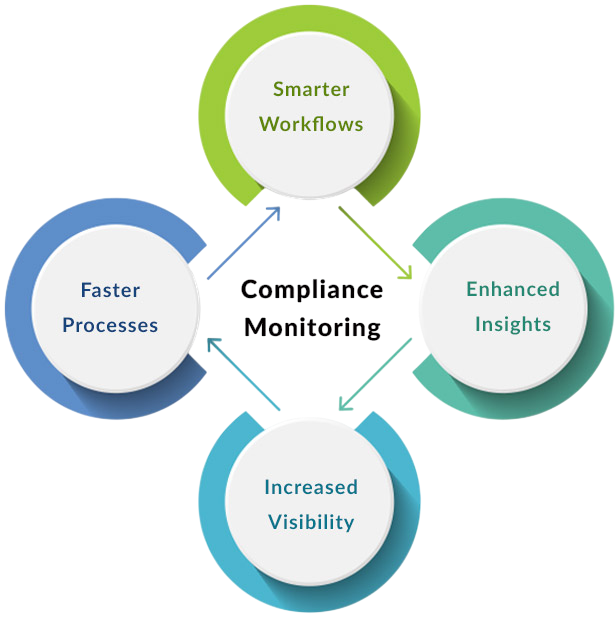
Regulatory compliance and monitoring are essential applications of data science in the banking and financial sector. Financial institutions analyze transaction records, customer activities, account information, and payment histories to identify suspicious behavior, ensure compliance with regulatory standards, and reduce the risk of fraud or financial crime. Machine learning techniques such as anomaly detection, classification algorithms, and predictive analytics help detect unusual transaction patterns, monitor compliance violations, and generate real-time alerts for investigation. Understanding What Does a Data Scientist Do provides insight into how professionals build intelligent systems that improve regulatory reporting and business decision-making. Learning regulatory compliance equips aspiring data scientists with practical knowledge of risk analysis, fraud detection, predictive modeling, and financial analytics, preparing them for careers in banking, fintech, and data science.

We often use compliance visualizations to see how the risk of a transaction has changed over time; however, compliance predictions are never completely accurate because external factors can change how an activity behaves. But this project is beginner-friendly and gives you an introduction into how to analyze financial data and use statistical methods for predicting regulatory trends.
Are You Considering Pursuing a Data Analytics Master’s Degree? Enroll For Data Science Expert Masters Program Training Course Today!
Automating Customer Service in Banking
- Machine Learning for Better Responses: Machine learning enables chatbots to continuously improve by learning from previous interactions and customer feedback. Understanding the differences between Data Science vs Data Analytics vs Big Data helps professionals build more intelligent AI systems that deliver personalized and accurate customer support.
- Natural Language Processing for Understanding Queries: Banking chatbots use Natural Language Processing (NLP) to understand customer questions, identify user intent, and provide accurate responses. NLP enables chatbots to process natural language efficiently, even when queries are incomplete or conversational.
- Automated Customer Support System: AI-powered chatbots automate routine banking services such as balance inquiries, fund transfers, loan information, account updates, and payment support. This reduces the workload on customer service teams while providing instant assistance to users.
- 24/7 Availability and Fast Response: AI chatbots provide round-the-clock customer support, ensuring users receive immediate assistance at any time. To gain practical experience with similar applications, explore Real-World Projects Every Data Science Beginner Should Try.
- Importance in Business and Customer Experience: Banking chatbots improve customer satisfaction, reduce operational costs, streamline support services, and deliver consistent, personalized experiences, making them an essential part of modern digital banking.
Set to Ace Your AWS Job Interview? Check Out Our Blog on Data Science Interview Questions & Answer
Portfolio Optimization and Wealth Management
Using data science and ML techniques, the portfolio optimization tool is a financial application that can quickly detect profitable asset allocations at an early stage. The portfolio optimization tool takes historical market data and analyzes those numbers to find mathematical evidence of risk (e.g. volatility, correlation, or unusual drawdowns) so that investors can quickly tell if a portfolio is healthy or risky. This helps investors start taking preventative measures before the capital has decreased. The initial training of the tool includes thousands of data points of bullish and bearish market conditions to allow the tool to learn the mathematical differences between safe and risky assets. The portfolio optimization tool uses optimization techniques and machine learning models to detect allocations accurately in Data Science Training . Models learn distinguishing features of assets to develop an accurate understanding of a balanced portfolio vs. an unbalanced portfolio. The objective of this project is to help investors avoid losing money due to market crashes, which ultimately increases the total return per dollar of invested capital. In addition to reducing the time spent manually inspecting assets for risk, the tool allows for rapid identification of bad investments so that managers can employ rapid solutions. This technology will play an essential role in the future of smart investing.
Data Science Sample Resumes! Download & Edit, Get Noticed by Top Employers! DownloadConclusion
Data Science In Financial Services learning detecting fraud, forecasting the market, and managing risk show how useful it is to use data to solve real-life problems. They’re great for helping people understand how raw data is collected, processed, and turned into useful information. By doing these projects, data science beginners gain hands-on experience with machine learning, data analysis, and solving problems using those skills in Data Science Training Each project develops a different set of skills: some with text processing, others with prediction, some others with classification, and still others with pattern recognition – all of which are extremely valuable in today’s tech-driven workplaces. Working on real-world projects is also a great way for a beginner to build a good portfolio of work that they can use to apply for jobs in data science. Completing these projects bridges the gap between theory and practice. When a learner does multiple projects, they increase their confidence in and ability to use technology. Overall, project-based learning is probably the best way for someone just getting into data science to grow as a new learner.