LMS
LMS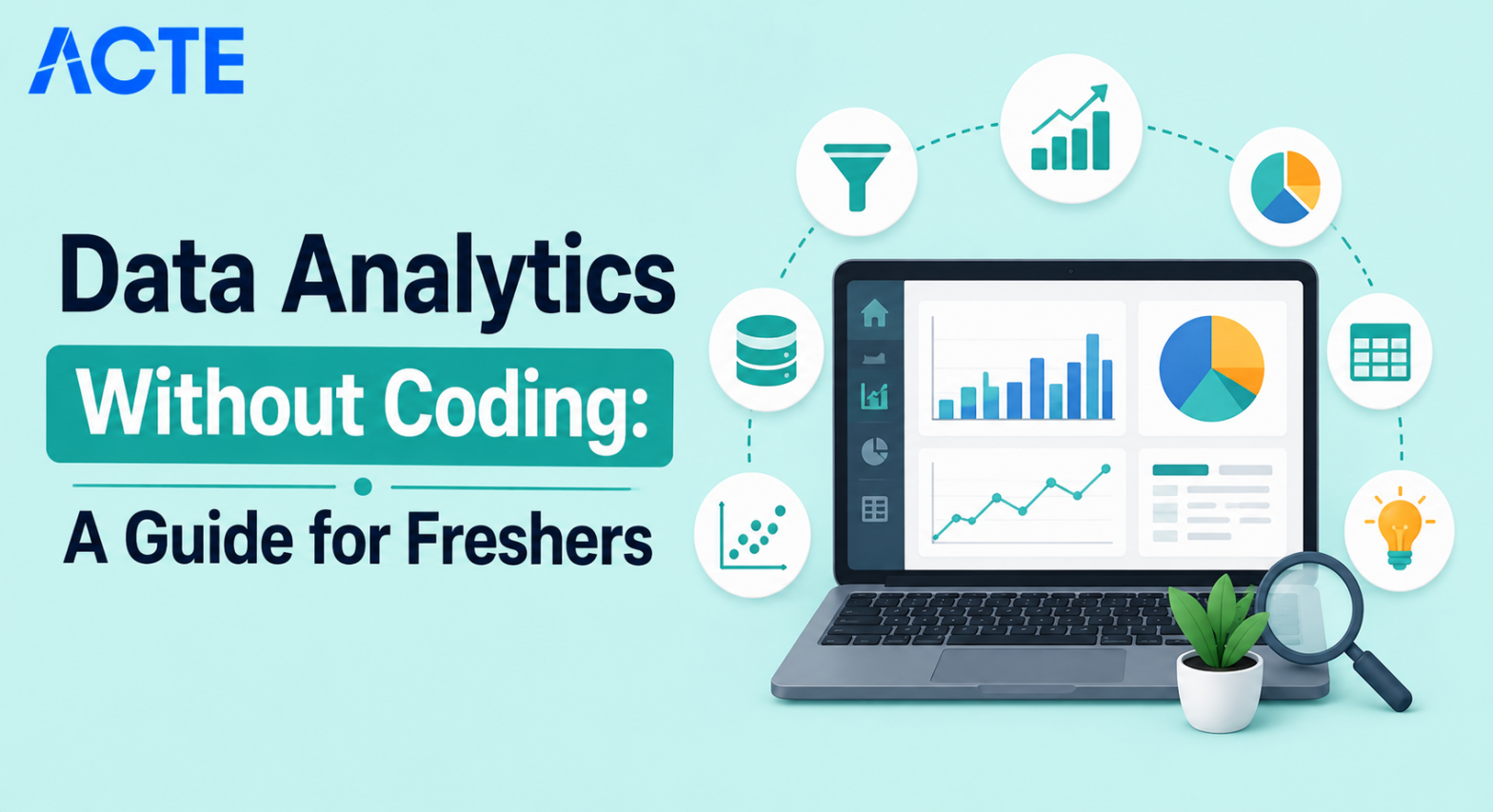
Last updated on 30th May 2026| 7994

- Introduction to Data Analytics Without Coding for Freshers
- Importance of No-Code Analytics for Beginners
- Exploring Freelance and Entry-Level No-Code Projects
- Building Effective Data Analyst Portfolios Without Programming
- End-to-End Data Analytics Projects Without Coding
- Data Visualization Projects for Beginners
- Actionable Insights for Freshers Using No-Code Tools
- Comparative Perspectives on No-Code vs Traditional Analytics
- Conclusion on Data Analytics Without Coding for Freshers
Introduction to Data Analytics Without Coding for Freshers
Data analytics without coding for freshers is an accessible pathway into the world of analytics, enabling beginners to work with data without advanced programming knowledge. Tools like Excel data analytics for beginners, Power BI without coding for freshers, and Tableau without coding for beginners provide intuitive interfaces for handling data. For students, understanding data analytics without programming for beginners means recognizing that they can perform tasks such as cleaning, visualization, and reporting without writing complex scripts. No-code data analytics for freshers emphasizes drag-and-drop functionality, pre-built connectors, and automated workflows, making analytics approachable in Data Analytics Training . These platforms democratize data handling, allowing fresh graduates to contribute meaningfully to projects. By mastering these basics, freshers can build confidence, create impactful dashboards, and prepare for advanced roles. Ultimately, no-code analytics ensures that beginners can enter the industry quickly, bridging the gap between academic learning and professional requirements. Staying proactive with no-code tools ensures stronger opportunities, and focusing on dashboard creation builds credibility. Over time, this mastery positions you as a fresher who can confidently thrive in analytics.
Importance of No-Code Analytics for Beginners
Data analytics without coding for freshers matters because it lowers the barrier to entry. Data analytics without programming for beginners highlights how tools like Excel, Power BI, and Tableau simplify workflows. No-code data analytics for freshers ensures that students can focus on insights rather than syntax. Excel Data Analytics Training for beginners provides foundational skills in formulas and pivot tables. Power BI without coding for freshers emphasizes interactive dashboards and real-time reporting. Tableau without coding for beginners highlights visualization capabilities that communicate findings effectively. These tools are widely used across industries, making them highly relevant for career growth.
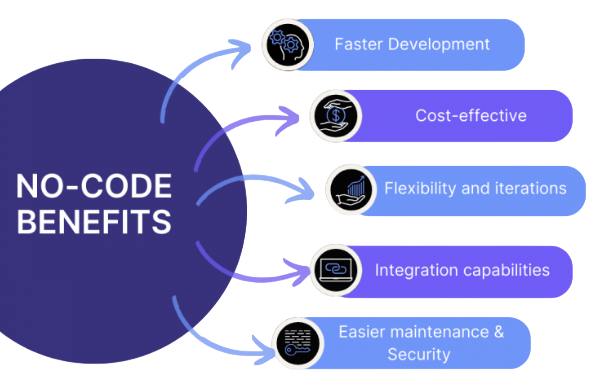
For freshers, mastering no-code analytics is an excellent way to improve employability, as organizations increasingly value professionals who can generate meaningful insights quickly. By working with no-code analytics platforms, beginners gain practical experience, build confidence, and prepare for a wide range of analytics roles without requiring advanced programming skills. This is one of the Top Reasons to Learn Data Analytics, as it helps develop job-ready skills that employers actively seek. Consistently practicing these tools strengthens analytical abilities, while focusing on data visualization enhances credibility and decision-making skills. Over time, this approach positions freshers as confident professionals who can effectively apply no-code analytics in real-world business environments.
Exploring Freelance and Entry-Level No-Code Projects
- Social Media Metrics: Data analytics without programming for beginners includes tracking engagement metrics using Power BI. Freshers gain practical experience in analyzing campaign performance and understanding digital marketing trends.
- Survey Data Analysis: No-code data analytics projects for freshers often involve analyzing survey results using Excel and How Freshers Can Start a Career in Data Analytics. Beginners learn fundamental statistical techniques, identify trends, and improve their data interpretation skills.
- Basic Reporting Tasks: Excel data analytics projects for beginners focus on generating reports, organizing datasets, and summarizing key insights. These projects help freshers support data-driven decision-making.
- Visualization Assignments: Tableau projects for beginners without coding involve creating interactive dashboards and visual reports. Freshers learn how to present business insights in a clear and engaging format.
- Client Freelance Work: Freelance data analytics projects often include cleaning datasets, preparing reports, and building dashboards using no-code tools. These real-world assignments help freshers build confidence, strengthen their portfolios, and earn income.
Ready to Pursue Your Data Analytics Certificate? View The Data Analytics Training Offered By ACTE Right Now!
Building Effective Data Analyst Portfolios Without Programming
Data analytics without coding for freshers should be documented as portfolio projects to showcase practical skills and industry readiness. Data analytics without programming for beginners projects demonstrate problem-solving abilities, analytical thinking, and business understanding, while no-code data analytics for freshers highlights hands-on experience with modern analytics tools.Excel data analytics for beginners projects showcase skills in data cleaning, reporting, and trend analysis, whereas Power BI without coding for freshers projects demonstrate the ability to create interactive dashboards and business reports. Similarly, Tableau without coding for beginners projects emphasize effective data visualization and storytelling. To learn more, explore Breaking into Data Analytics Without Coding. A well-structured portfolio with clear objectives, methodologies, visualizations, and measurable outcomes helps freshers stand out during job applications, interviews, and networking opportunities. Regularly updating your portfolio with real-world no-code analytics projects builds credibility, strengthens your professional profile, and prepares you for successful entry-level data analyst roles.

End-to-End Data Analytics Projects Without Coding
Data analytics without coding for freshers often emphasizes end-to-end workflows. Data analytics without programming for beginners projects begin with data collection, followed by cleaning and preprocessing using Excel. No-code data analytics for freshers projects may involve building predictive dashboards in Qlik Sense vs Power BI. Data analyst portfolio projects should showcase the entire process, including exploratory analysis and hypothesis testing. End-to-end data analytics projects highlight deployment, where dashboards are shared with stakeholders. Excel data analytics for beginners ensures foundational skills, while Tableau without coding for beginners emphasizes visualization. Power BI without coding for freshers supports real-time reporting. For freshers, mastering end-to-end processes builds confidence and prepares them for industry roles requiring comprehensive skills. Staying consistent with workflow mastery ensures stronger preparation, and focusing on deployment builds credibility. Over time, this strategy positions you as a fresher who can confidently apply no-code analytics in professional environments.
Excited to Obtaining Your Data Analytics Certificate? View The Data Analytics Training Offered By ACTE Right Now!
Data Visualization Projects for Beginners
- Sales Dashboard Creation: Excel Data Analytics for Beginners projects often involve creating interactive sales dashboards to monitor revenue, KPIs, and business performance. Freshers can strengthen these skills by exploring Learn Power BI for step-by-step guidance on building professional dashboards.
- Customer Segmentation Charts: Tableau Without Coding for Beginners projects focus on visualizing customer groups based on purchasing behavior and demographics, helping businesses create more effective marketing strategies.
- Financial Reporting Visuals: Power BI Without Coding for Freshers projects include designing financial dashboards that display revenue, expenses, profit margins, and other key business metrics while improving reporting skills.
- Operational Efficiency Graphs: No-Code Data Analytics for Freshers projects involve creating charts and dashboards to measure operational performance, identify bottlenecks, and support process optimization.
- Predictive Analytics Visuals: Data Analytics Without Programming for Beginners projects conclude with creating forecast charts and trend visualizations that enable stakeholders to make informed, data-driven business decisions.
Are You Considering Pursuing a Data Analytics Master’s Degree? Enroll For Data Analytics Expert Masters Program Training Course Today!
Actionable Insights for Freshers Using No-Code Tools
- Start with Excel: Excel data analytics for beginners provides a strong foundation. Freshers should master formulas, pivot tables, and charts.expolre more in Tableau Developer Roles and Responsibility
- Explore Power BI: Power BI without coding for freshers offers interactive dashboards. Beginners should practice building reports for real-world scenarios.
- Learn Tableau Basics: Tableau without coding for beginners emphasizes visualization. Freshers should design clear, impactful charts.
- Document Projects: No-code data analytics for freshers projects should be recorded in portfolios. This demonstrates readiness for professional roles.
- Understand Industry Relevance: Data analytics without programming for beginners highlights how no-code tools support digital transformation, making freshers valuable contributors.
Set to Ace Your AWS Job Interview? Check Out Our Blog on Data Analytics Interview Questions & Answer
Comparative Perspectives on No-Code vs Traditional Analytics
Comparative perspectives on no-code and traditional analytics highlight the different paths available for aspiring data professionals and Building Data Analytics Portfolio as a Fresher. Data analytics without coding for freshers significantly lowers entry barriers, enabling beginners to analyze data and generate insights without extensive programming knowledge. In contrast, traditional analytics approaches often require proficiency in languages such as Python, R, or SQL. Data analytics without programming for beginners also emphasizes speed, allowing users to build reports, dashboards, and analyses quickly, whereas coding-based solutions may require additional development time. No-code data analytics for freshers offers flexibility across industries by leveraging user-friendly tools and drag-and-drop interfaces, while traditional programming provides greater customization and advanced analytical capabilities in Data Analytics Training. Visualization is another major advantage of no-code platforms, with Excel data analytics for beginners, Power BI without coding for freshers, and Tableau without coding for beginners enabling users to create impactful dashboards and visual reports efficiently. End-to-end data analytics projects without coding help freshers develop business analysis and consulting skills, while coding-focused approaches often lead to specialized roles in data engineering, machine learning, and advanced analytics development.
Conclusion on Data Analytics Without Coding for Freshers
Data analytics without coding for freshers defines an accessible pathway into analytics careers. Data analytics without programming for beginners highlights how tools simplify workflows. No-code data analytics for freshers ensures that students can focus on insights rather than syntax. Excel data analytics for beginners provides foundational reporting skills. Power BI without coding for freshers emphasizes interactive dashboards, while Tableau without coding for beginners highlights visualization clarity in Data Analytics Training. End-to-end data analytics projects demonstrate mastery of complete workflows, preparing freshers for industry roles. Data analyst portfolio projects showcase abilities to employers, making candidates more competitive. Data visualization projects emphasize communication, ensuring insights are presented effectively. For freshers, engaging in no-code projects builds confidence, resilience, and adaptability. Ultimately, these projects serve as stepping stones toward successful careers in analytics, preparing graduates to thrive in diverse industries and contribute meaningfully to organizational decision-making.